How to Choose an Assisted Living Facility in San Jose, CA
A practical framework for comparing care needs, location, licensing, costs, contracts and daily life before choosing an assisted living home in San Jose.
A sound assisted living decision begins with an older adult’s daily life, not a lobby, a brochure or an available room. Families researching how to choose an assisted living facility in San Jose CA can make the process clearer by separating care needs, location, oversight, cost and contract terms into distinct steps. Each step produces questions that can be checked rather than impressions that simply feel reassuring.
San Jose contains different residential settings, from small care homes to larger communities. The goal is not to declare one format best. It is to identify where a particular person can receive dependable support, where family can remain involved and where the written agreement matches what everyone expects.
Start with a written picture of daily needs
Begin with a typical day, including the difficult parts. Note where the person needs hands-on help, where reminders are enough and where another person must be nearby for safety. Include recent changes, but also consider whether current arrangements depend on a spouse or adult child becoming exhausted.
- Personal care: bathing, dressing, toileting, eating, grooming and mobility, including whether hands-on help or standby supervision is needed.
- Medication support: who orders, stores and assists with medications, and how changes or missed doses are communicated.
- Memory and safety: confusion, disorientation, wandering risk, judgment changes and the supervision needed during the day and overnight.
- Social routines: preferred language, food, sleep patterns, privacy, activities and tolerance for noise or group settings.
- Outside support: which services must come from the residence and which may involve family or separate providers.
Uncertainty does not require an immediate permanent move. The National Institute on Aging explains respite care as short-term support that gives family caregivers a break. It may occur at home, in an adult day center or during a short residential stay. Ask what a short stay would include and how information from it would be shared.
How to choose an assisted living facility in San Jose CA by location and fit
Measure location by the visits that will actually happen. A residence near one relative may be difficult for the person who handles appointments, finances or weekly visits. Test the route at the times family expects to travel, and consider parking, traffic and whether a spouse can reach the home independently.
Within north San Jose, Berryessa may offer a practical base for relatives coming from other parts of the city or nearby Milpitas. Elsewhere in the South Bay, a different route may work better. Proximity should support involvement without becoming the only criterion. Also ask about transportation arrangements, visiting expectations and how the residence helps families stay informed when they cannot be present.
Verify California licensing and inspection history
In California, assisted living is licensed as a Residential Care Facility for the Elderly, or RCFE. The California Department of Social Services Community Care Licensing Division oversees RCFEs under Title 22 and publishes facility inspection information. Confirm the home’s current status using its legal name and address rather than relying on a marketing description.
Read available reports for the findings, dates, required corrections and whether similar concerns appear again. Ask the administrator to explain anything unclear. A license establishes regulatory oversight; it does not replace observing care or asking how concerns are handled.
If a home advertises or accepts residents with dementia, additional Title 22 requirements apply to areas such as staff training, the environment and care planning. Ask how those requirements appear in daily practice. Memory care should be discussed as supervision, support and a suitable environment, never as a cure or a promised improvement.
Compare a small residential home with a larger community
A small home may feel more domestic and quieter, while a larger community may offer more amenities or scheduled programming. Neither format automatically provides more personal attention or better support. Ask who is present overnight, how requests for help are answered, how care changes are communicated and what happens when needs become more complex.
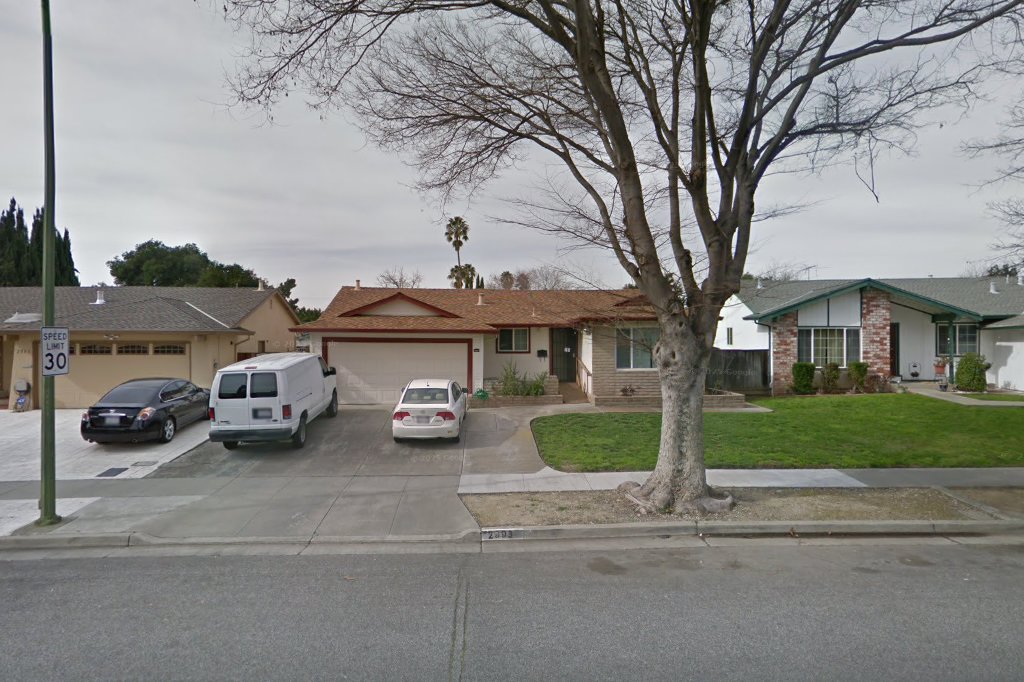
The Rose Garden Elderly Care is a small, home-like residential care home in Berryessa, in north San Jose. Families reviewing its assisted living in San Jose information can apply the same needs checklist used anywhere else. Its memory care information should likewise lead to specific questions about supervision, routines, staff training, the physical environment and care planning.
Respite inquiries deserve the same detail. Ask what belongings to bring, how medications and personal routines are handled, and whether the desired dates and level of support can be accommodated. Confirm current licensing, admission status and services directly rather than assuming availability.
Request transparent pricing and read the contract
Request a written quote based on the person’s assessed needs, not only a base rate. It should identify the monthly charge, included personal care, optional services, one-time charges and costs billed by outside providers. Ask when a reassessment can change the charge and whether the family receives notice before a change takes effect.
Read the admission agreement alongside the quote. Look for discharge criteria, notice procedures, refund terms, policies during a temporary absence and responsibility for coordinating a transition. Ask what circumstances the home cannot support and who decides that a move is necessary. Verbal reassurance that someone can remain indefinitely is not a substitute for clear contract language.
Ask The Rose Garden Elderly Care for its current rates and admission documents rather than treating market medians as a quote. Keep questions about deposits, care charges, third-party bills and discharge connected, since an apparently manageable monthly rate may not describe the full commitment.
Put San Jose care costs in context
The CareScout Cost of Care Survey 2025 provides useful reference points for its San Jose Area, the metro region used here for San Jose and Santa Clara County. These are survey medians and rates, not prices for any particular residence.
| Care or setting | Area | Reported cost |
|---|---|---|
| Assisted living | San Jose Area | $10,495 monthly median; $125,940 annually |
| Assisted living | California | $7,000 monthly median; $84,000 annually |
| Assisted living | United States | $6,200 monthly median; $74,400 annually |
| Non-medical in-home care | San Jose Area | $44 hourly; $8,389 monthly at 44 hours per week |
| Adult day health care | San Jose Area | $94 daily; $2,037 monthly |
| Nursing home, semi-private room | San Jose Area | $14,296 monthly; $171,550 annually |
| Nursing home, private room | San Jose Area | $18,767 monthly; $225,205 annually |
The San Jose Area assisted living median is $3,495 above the California monthly median and $4,295 above the national monthly median. Those differences make an individualized written quote especially important.
Different settings are not interchangeable line items. CareScout’s San Jose Area in-home care figure at 44 hours per week is $2,106 below the assisted living monthly median, but that schedule does not provide continuous supervision. Housing, food, utilities and backup care may also be separate. A lower scheduled-care total should not be read as a like-for-like comparison.
Build a realistic plan for paying for care
Medicare’s long-term care guidance states that Medicare does not cover long-term custodial care when that is the only care needed. Some long-term care insurance policies can pay for assisted living, depending on the policy. Review benefit triggers, the elimination period, covered settings, payment limits and claim documentation with the insurer.
The VA describes Aid and Attendance as an increased amount added to a VA pension for eligible wartime-era Veterans or surviving spouses who meet criteria involving daily activities or other specified needs. The VA pension rates list maximum annual pension rates with Aid and Attendance of $29,093 for a Veteran with no dependents and $34,488 for a Veteran with one dependent. If countable income were zero, the monthly equivalents would be $2,424 and $2,874 respectively. The listed net worth limit is $163,699. These are maximum rate rules, not predictions of eligibility or payment. Countable income, qualifying expenses and VA review of certain asset transfers can affect a claim.
Medi-Cal’s Assisted Living Waiver fact sheet describes coverage for assisted living services in participating RCFEs for people with full-scope Medi-Cal without a share of cost who need nursing facility level care. The participant pays room and board. The program operates in Santa Clara County, but participating homes are limited and there is often a waitlist. Do not assume that a particular residence participates.
Use visits, documents and red flags to decide
Tour with the written needs list and ask to see the type of room being considered, not only shared spaces. Observe whether interactions are respectful, requests receive attention and the environment supports the person’s routines. If possible, visit at a different time as well. One polished visit cannot establish everyday reliability.
- Pressure to sign or pay before receiving a written quote and agreement.
- Vague answers about overnight supervision, communication or changing care needs.
- Reluctance to provide identifying details for a state licensing check.
- Discharge or refund language that staff cannot explain plainly.
- Memory care marketing that promises improvement instead of describing support and supervision.
For broader guidance, the Eldercare Locator connects families with local Area Agencies on Aging. Ultimately, a useful answer to how to choose an assisted living facility in San Jose CA is a decision the family can explain: the needs are documented, the setting has been observed, oversight has been checked, and the costs and exit terms are understood before signing.
Frequently asked questions
What license should an assisted living home in San Jose have?
In California, assisted living is licensed as a Residential Care Facility for the Elderly, or RCFE, by the Department of Social Services’ Community Care Licensing Division. Ask for the home’s legal name and address, confirm its current status with the state, and read available inspection reports. If dementia care is advertised or provided, ask how the home meets the additional requirements for staff training, environment and care planning.
What is the typical assisted living cost in San Jose?
CareScout’s Cost of Care Survey 2025 reports a San Jose Area assisted living median of $10,495 per month, or $125,940 per year. The California monthly median is $7,000. These are market medians, not quotes for The Rose Garden Elderly Care or any other home. Ask each provider for a written rate, a list of included services, possible care charges and all other fees before comparing affordability.
Is a small residential care home a good fit?
A small residential home may suit someone who prefers a domestic setting and a quieter routine, while a larger community may suit someone who wants more amenities or group programming. Neither format guarantees better care. In Berryessa and elsewhere in San Jose, observe supervision, communication, cleanliness and daily routines, then confirm that the home can support the person’s current needs. Ask directly how changing needs would affect continued residence.
Can Medicare, Medi-Cal or other benefits help pay?
Medicare generally does not cover long-term custodial care when that is the only care needed. Medi-Cal’s Assisted Living Waiver operates in Santa Clara County, but participation is limited to certain RCFEs, eligibility requirements apply and there is often a waitlist. The participant pays room and board. Long-term care insurance depends on the individual policy. Some wartime-era Veterans and surviving spouses may qualify for VA pension support with Aid and Attendance.
What are warning signs during a San Jose facility tour?
Be cautious if a home pressures you to sign before providing a written fee schedule and admission agreement, cannot explain its discharge policy, avoids licensing questions or describes memory care as a cure. During San Jose tours, ask who provides supervision overnight, how families are informed of changes and what happens if care needs increase. One polished visit matters less than clear, consistent answers and documents you can review.
Talk with The Rose Garden Elderly Care
If you are weighing care options in San Jose, call (669) 308-4198 or plan a visit. Our team can talk through current availability, rates and next steps. Please confirm all details directly, since published figures and listings change over time.
Sources
- CareScout Cost of Care Survey 2025
- VA Aid and Attendance and Housebound benefits
- VA pension rates (current)
- Medicare: long-term care coverage
- Eldercare Locator (U.S. Administration for Community Living)
- National Institute on Aging: What is respite care?
- ACL: What is long-term care insurance
- California CDSS Community Care Licensing Division
- California DHCS: Assisted Living Waiver fact sheet (PDF)
Cost figures are 2025 medians from the CareScout Cost of Care Survey and are not quotes for The Rose Garden Elderly Care. Program rules and benefit amounts were checked on the linked official pages in November 2026 and can change.