Average Cost of Assisted Living in San Jose, CA
A practical guide to San Jose assisted living medians, monthly fees, care alternatives, payment options and questions to ask before choosing a home.
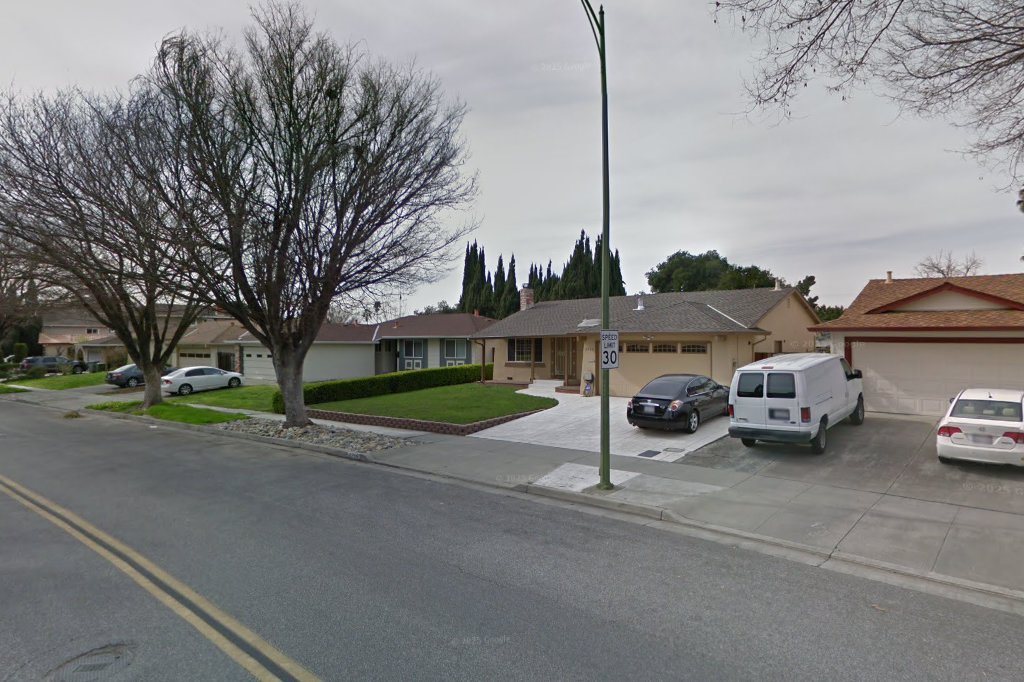
The 2025 CareScout Cost of Care Survey places the monthly median for assisted living in the San Jose Area at $10,495, or $125,940 over a year. For families researching the average cost of assisted living in San Jose CA, that median is a useful starting point, not a quote for any particular home. A median is the middle of the reported results, so some communities cost less and others cost more. CareScout collected the survey data from July through November 2025 and uses “San Jose Area” for the metro region; this article uses that metro for Santa Clara County.
What is the average cost of assisted living in San Jose CA?
San Jose’s median is above both broader benchmarks. California’s statewide monthly median is $7,000, with an annual figure of $84,000. The U.S. national monthly median is $6,200, with an annual figure of $74,400. In the same CareScout survey, the San Jose Area monthly median is $3,495 higher than the California median and $4,295 higher than the national median. These comparisons describe survey medians, not the difference between two specific residences.
| Region | Monthly median | Annual figure |
|---|---|---|
| San Jose Area | $10,495 | $125,940 |
| California statewide | $7,000 | $84,000 |
| U.S. national | $6,200 | $74,400 |
The annual column extends each monthly median across a full year. It helps with longer-range budgeting, but it is not a forecast of a family’s actual spending. A care assessment, a different room, changes in assistance or a rate adjustment can alter an individual agreement. The survey is best used to establish a local baseline before requesting written quotes.
What a monthly assisted living fee usually covers
Assisted living commonly combines a living space with meals, housekeeping, laundry and help with daily activities such as bathing, dressing, grooming, toileting and mobility. Medication support, scheduled activities and general supervision may also be part of the service model. The important question is not whether a service appears in a brochure, but whether it is included in the base fee for the person being assessed.
Contracts differ. One residence may bundle several kinds of personal assistance, while another may separate housing from care levels or bill certain supplies and transportation separately. Ask for a sample invoice and a written list of included and optional services. Memory care should also be explained carefully: supervision, structured routines, staff training and the physical environment can support a person with dementia, but they are not a cure or a promise of improvement.
In California, assisted living is licensed as a Residential Care Facility for the Elderly, or RCFE, by the California Department of Social Services. The Community Care Licensing Division oversees this licensing under Title 22, including additional dementia-care requirements for RCFEs that advertise or accept residents with dementia. Its public resources include inspection reports and complaint information. A local overview of assisted living in San Jose can help families frame questions about services before comparing contracts.
Why individual quotes vary
Room type is one variable. A shared room, private room, bathroom arrangement and available living space can all affect a quote. Care needs are another. Help with occasional reminders is different from regular hands-on assistance with dressing, continence or transfers. Ask how the initial assessment is performed, who participates and what would trigger a reassessment after admission.
Residence style matters as well. A small residential home and a large community may offer different surroundings, activity schedules and service arrangements. Building size alone does not establish which option costs more or which is the better fit. Compare the actual staffing practices, included assistance, environment and written fees rather than relying on a general category.
The Rose Garden Elderly Care is a small, home-like residential care home at 2993 Knights Bridge Rd in the Berryessa area of north San Jose. It offers assisted living, memory care and respite care. Families should confirm current licensing, admission status and pricing directly, and request a written quote based on their relative’s needs. Current rates can be requested by calling (669) 308-4198.
How other care options compare on cost
Cost comparisons are most helpful when the amount of help is explicit. CareScout lists the non-medical in-home caregiver hourly rate in the San Jose Area at $44. At its standard schedule of 44 hours per week, the monthly amount is $8,389. The assisted living monthly median is $2,106 higher, but this is not a like-for-like comparison. A household still has its usual food, housing and maintenance expenses, while an assisted living agreement has its own inclusions.
Using the same hourly rate, 20 hours per week produces a monthly amount of $3,813. Around-the-clock care at 168 hours per week produces $32,032 per month. These are arithmetic illustrations based on hourly care, not package quotes, and they do not describe every overnight or live-in arrangement. They show why the number of hours and the kind of supervision needed must be part of any home-care comparison.
CareScout lists San Jose Area adult day health care at $94 per day and $2,037 per month. A nursing home semi-private room is listed at $14,296 per month, while a private room is $18,767. Those nursing home figures are $3,801 and $8,272 above the assisted living monthly median, respectively. Nursing home and assisted living services serve different needs, so a price gap alone should not determine the setting.
Questions to ask about fees and rate increases
A clear quote should let a family distinguish the starting rate from possible later charges. Ask each residence to answer the same questions in writing:
- Which housing, meals, personal care and supervision services does the base monthly fee include?
- How is the initial care assessment completed, and what changes could move a resident to another care level?
- How do room choice and any change in room assignment affect the agreement?
- Which items can appear separately, such as supplies, transportation or specialized personal assistance?
- How often can rates increase, how much notice is given, and can care charges change separately from housing charges?
- How are hospital stays, temporary absences, move-out notice and any deposits handled?
- May the family review a sample invoice and the complete admission agreement before making a financial commitment?
Also ask about the residence’s rate-increase history and whether the quoted services remain adequate if needs change. A lower starting quote is not necessarily the clearer long-term arrangement if important assistance is billed separately.
Payment sources and their limits
Medicare is often misunderstood in this process. According to Medicare’s long-term care coverage guidance, Medicare does not cover long-term custodial care if that is the only care needed, and most long-term care is custodial. Families should not assume that health coverage will pay the monthly assisted living fee.
Long-term care insurance may help, depending on the policy. The Administration for Community Living explains that policies can cover services such as assisted living. Benefits commonly begin after an elimination period and when the policyholder needs help with daily activities or has cognitive impairment. Check the benefit triggers, covered settings, payment method and exclusions in the actual policy.
For eligible wartime-era Veterans and surviving spouses, VA Aid and Attendance can add an amount to a VA pension for people who meet conditions such as needing help with daily activities. For rates effective December 1, 2025, the VA pension rate tables list a Maximum Annual Pension Rate with Aid and Attendance of $29,093 for a Veteran with no dependents and $34,488 for a Veteran with one dependent. Divided by 12, those figures are $2,424 and $2,874 per month if countable income were zero. They are maximum reference points, not automatic payments for everyone. Pension calculations account for countable income, and qualifying unreimbursed care expenses may affect that calculation.
The VA net worth limit is $163,699 for December 1, 2025 through November 30, 2026. The VA also reviews asset transfers during the three years before a claim, so financial transfers should not be made without understanding the pension rules.
Medi-Cal’s Assisted Living Waiver is another possibility. It pays for assisted living services in participating RCFEs for people with full-scope Medi-Cal with no share of cost who need nursing facility level of care; the participant pays room and board. The waiver operates in Santa Clara County, but only a limited number of local RCFEs participate and there is often a waitlist. Enrollment goes through a Care Coordination Agency after an RN assessment.
Using local guidance and respite while deciding
A decision does not always have to be made during an exhausting stretch of full-time family caregiving. The National Institute on Aging describes respite care as a short-term break that can occur at home, in an adult day center or during a short residential stay. Families considering respite care should confirm current availability, admission suitability and the services included before setting dates.
The Eldercare Locator, a service of the U.S. Administration for Community Living, connects families with local Area Agencies on Aging and other community resources. It can be a useful starting point for independent guidance alongside licensing checks and direct conversations with residences.
Bring the same list of care needs, included services and contract questions to every comparison. Used this way, the average cost of assisted living in San Jose CA becomes a screening benchmark rather than the final answer. The more useful measure is whether a written agreement clearly matches the person’s daily support needs, the family’s budget and the environment in which they will live.
Frequently asked questions
Is $10,495 the price every San Jose assisted living resident pays?
No. CareScout’s $10,495 figure is the 2025 monthly median for the San Jose Area, the metro region used for Santa Clara County. A median is a midpoint, not a price list. Individual quotes vary with room type, assessed care needs, services included and the residence’s fee structure. The Rose Garden Elderly Care’s current rates should be requested directly rather than inferred from the survey.
How does San Jose assisted living cost compare with California?
CareScout’s 2025 survey lists a $10,495 monthly median for the San Jose Area and a $7,000 statewide California median, a difference of $3,495. The comparison establishes that the metro median is higher, but it does not explain any one home’s quote. Room type, care level, included services and residence style still need to be reviewed in a written estimate.
Does Medicare pay for assisted living in San Jose?
Medicare does not cover long-term custodial care when that is the only care needed, and most long-term care is custodial. Families should therefore not assume Medicare will pay the monthly assisted living fee in San Jose. Long-term care insurance, VA pension benefits for eligible people and Medi-Cal’s Assisted Living Waiver follow separate rules, so each possible source needs its own eligibility and policy review.
Can Medi-Cal help with assisted living in Santa Clara County?
Medi-Cal’s Assisted Living Waiver can pay for assisted living services in participating California RCFEs for people who have full-scope Medi-Cal with no share of cost and need nursing facility level of care. Participants pay room and board. The waiver operates in Santa Clara County, but participation among local RCFEs is limited and there is often a waitlist. Enrollment goes through a Care Coordination Agency after an RN assessment.
What should families ask The Rose Garden Elderly Care about costs?
Ask for a current written quote and confirm licensing and admission status. Then ask which services the base fee covers, how room choice and assessed care needs affect the rate, which items may be billed separately, and how rate increases are communicated. Families can also ask how assisted living, memory care and respite stays are handled at the Berryessa home. No survey median can replace answers specific to this residence.
Talk with The Rose Garden Elderly Care
If you are weighing care options in San Jose, call (669) 308-4198 or plan a visit. Our team can talk through current availability, rates and next steps. Please confirm all details directly, since published figures and listings change over time.
Sources
- CareScout Cost of Care Survey 2025
- VA Aid and Attendance and Housebound benefits
- VA pension rates (current)
- Medicare: long-term care coverage
- Eldercare Locator (U.S. Administration for Community Living)
- National Institute on Aging: What is respite care?
- ACL: What is long-term care insurance
- California CDSS Community Care Licensing Division
- California DHCS: Assisted Living Waiver fact sheet (PDF)
Cost figures are 2025 medians from the CareScout Cost of Care Survey and are not quotes for The Rose Garden Elderly Care. Program rules and benefit amounts were checked on the linked official pages in November 2026 and can change.