Assisted Living Tour Checklist for San Jose Communities
A practical, printable guide to comparing care, safety, daily life and costs during assisted living tours in San Jose.
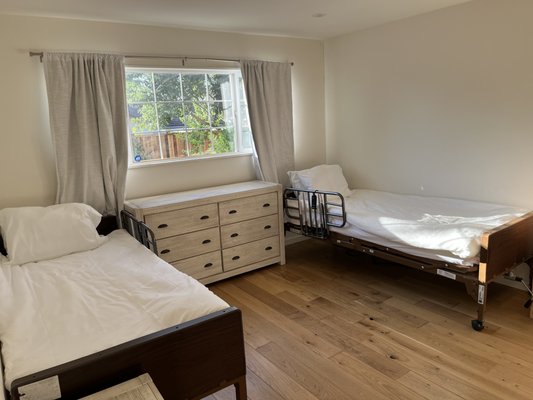
An assisted living tour checklist for San Jose, CA, gives families a steady way to look past a pleasant lobby and ask about daily life. It can be printed, carried from room to room and reused so each community is considered through the same questions. The goal is not to rush a decision, but to leave with clear notes and fewer assumptions.
The Rose Garden Elderly Care is a small, home-like residential care home on Knights Bridge Road in Berryessa, in north San Jose. Its care pages cover assisted living, memory care and respite. Families should confirm current licensing, admission status and pricing directly with the home.
Assisted living tour checklist for San Jose, CA: before you visit
Start with your relative's routines, preferences and support needs rather than a list of amenities. Call ahead to arrange enough time for conversation, and ask whether a family member who knows the daily routine can join you. Plan the drive around realistic South Bay traffic so the tour does not feel hurried.
In California, assisted living is licensed as a Residential Care Facility for the Elderly, or RCFE. The California Department of Social Services licensing resources explain Community Care Licensing Division oversight, inspection reports and dementia-care requirements. Ask for current licensing information rather than relying on an old directory entry.
- Write down the help needed with bathing, dressing, mobility, meals and medication routines.
- Note communication preferences, language, sleep patterns, hobbies and sources of comfort.
- Ask about current admission availability and whether the care needs can be considered.
- Request a sample agreement, current fee information and a description of included services.
- Bring relevant clinician instructions and a medication list for discussing procedures, not for an on-the-spot diagnosis.
- Decide who will take notes and who will ask about care, contracts and follow-up.
First impressions and the neighborhood
First impressions are useful when they lead to specific observations. Notice whether the home feels calm and whether residents appear comfortable, without treating a brief visit as proof of everyday conditions. Berryessa's location may be convenient for some families, but consider the actual drive from work, home or Milpitas.
- Is the entrance easy to identify, and are visitors welcomed without confusion?
- Are shared rooms clean, well maintained and free of persistent unpleasant odors?
- Is the sound level comfortable for someone sensitive to television, conversation or household activity?
- Can a person using a mobility aid move through the route you are shown?
- In warm weather, is there shade and a comfortable place to sit outdoors?
- During wet weather, are entry surfaces and walkways easy to navigate?
- Does the neighborhood and visiting routine feel manageable for frequent family visits?
Staff, daily care and memory support
When comparing assisted living in San Jose, ask staff to describe an ordinary day. Listen for concrete explanations of how personal preferences are recorded, how care plans change and how families receive updates. A respectful answer should leave room for a resident's independence while being clear about available support.
Families comparing memory care should ask about supervision, predictable routines, staff training, care planning and the physical environment. These are forms of support, not promises to improve or reverse dementia. If a home advertises or accepts residents with dementia, ask how it meets the additional California requirements.
- Who gets to know each resident's history, preferences and daily routines?
- How is personal assistance offered while preserving privacy and choice?
- How are changes in mobility, eating, sleep or behavior communicated to family?
- Who is responsible for care planning, and how are relatives included?
- What training do staff receive for dementia communication and supportive supervision?
- How are disagreements, refusals of assistance or distress handled patiently?
- What happens at night, and who answers questions during weekends or holidays?
Safety and health support
Safety questions should cover both prevention and response. Ask for explanations that fit the building and the people being served, rather than accepting a general statement that a home is safe. You are looking for clear procedures and reliable communication.
- How does a resident request help from a bedroom, bathroom or shared area?
- How are mobility changes and fall concerns discussed with the resident and family?
- How are medicines stored, documented and provided according to applicable instructions?
- How are exterior doors, outdoor areas and wandering risks supervised?
- What are the procedures for a medical emergency, fire, earthquake or power interruption?
- How are illness concerns and changes in visiting arrangements communicated?
- Which hospital or clinician decisions remain with the resident and family?
Dining and daily routines
Meals reveal a great deal about pace, choice and personal attention. If possible, review a current menu and ask to observe part of a meal. Notice whether residents have time to eat and whether assistance is offered discreetly.
- How are preferences, cultural food traditions and dislikes recorded?
- Can prescribed diets or texture changes be accommodated after appropriate clinical guidance?
- What choices are available when someone does not want the scheduled meal?
- How are drinks and snacks offered between meals?
- Is hands-on dining assistance available when needed, and who provides it?
- Can relatives join a meal, and what notice or charge applies?
- How are appetite or eating changes shared with the appropriate people?
Activities, connection and respite
An activity calendar matters less than whether residents have meaningful choices. Ask how staff learn what someone enjoyed before moving in and how a quieter person can participate without pressure. Conversation, music, gardening, faith practices or time outdoors may matter more than a busy schedule.
The National Institute on Aging overview of respite care describes short-term support that can take place at home, in an adult day center or through a short residential stay. A respite stay may help a caregiver rest and give a family a closer look at routines, but it does not guarantee a long-term fit.
- How are activities adapted for different mobility, hearing, vision or communication needs?
- Are small-group and one-to-one interests available alongside larger gatherings?
- How are language, culture, faith and lifelong routines respected?
- Can residents decline an activity without being overlooked later?
- What transportation or accompaniment is available for outings?
- For respite, what are the admission steps, stay terms and family update process?
Rooms and personal space
A room should support privacy, familiarity and safe movement. Look at the actual type of room being considered, not only a model or shared sitting area. Ask what would be different on an ordinary day.
- Is the bathroom easy to reach, and what support features are present?
- Can familiar furniture, photographs and personal belongings be brought in?
- How are lighting, temperature, window coverings and noise managed?
- Where can clothing, keepsakes and mobility equipment be stored?
- How are maintenance requests, laundry and room cleaning handled?
- What privacy is available for visits, telephone calls and personal care?
- If a move becomes necessary, how would the resident and family be involved?
Costs, contracts and ways families pay
Cost should be discussed alongside the care being considered. A lower charge is not necessarily better value, and a higher charge does not by itself establish better care. Ask what is included, what can change and which answers will be put in writing.
For market context, the CareScout Cost of Care Survey 2025 collected data from July through November 2025. Its San Jose Area figures describe the metro market, not The Rose Garden Elderly Care. These are survey medians and reference points, not quotes or predictions of a family's bill.
| Care setting | Monthly amount | Reference |
|---|---|---|
| Assisted living, San Jose Area | $10,495 | Metro median |
| Assisted living, California | $7,000 | Statewide median |
| Assisted living, United States | $6,200 | National median |
| In-home care, San Jose Area | $8,389 | At 44 hours per week |
| Adult day health care, San Jose Area | $2,037 | Monthly median |
| Nursing home, semi-private room | $14,296 | San Jose Area median |
| Nursing home, private room | $18,767 | San Jose Area median |
The San Jose Area assisted living median corresponds to $125,940 annually. Its monthly median is $3,495 higher than the California median and $4,295 higher than the national median. Contact the home directly for current rates and a written explanation of its own charges.
Questions about the contract
- What does the base monthly charge include, and which services cost extra?
- How are care needs assessed, and how could a change affect charges?
- Are there charges related to assessment, deposits, room reservation or respite?
- What notice is given before a rate or service charge changes?
- What are the terms for refunds, termination, discharge or a hospital stay?
- Which outside expenses remain the family's responsibility, such as medicines or transportation?
- Can the family review the complete agreement and current fee sheet before deciding?
Other payment questions
Medicare's long-term care coverage guidance states that Medicare does not cover long-term custodial care when that is the only care needed. Do not assume that assisted living room, board and daily personal support are Medicare benefits.
The Administration for Community Living's insurance overview explains that long-term care insurance may cover assisted living, depending on the policy. Review the elimination period, covered settings, benefit triggers and claims process with the insurer.
California's Assisted Living Waiver fact sheet describes Medi-Cal support for assisted living services in participating RCFEs for eligible people who need nursing facility level of care. Participants pay room and board. The waiver operates in Santa Clara County, but participating homes are limited and there is often a waitlist. Ask specific questions rather than assuming eligibility or acceptance.
After the visit: compare and follow up
Write notes while the visit is still fresh, separating what you observed from what someone told you. If possible, return at a different time or arrange another conversation with the person responsible for care planning. A completed San Jose assisted living tour checklist should make unanswered questions easier to see.
- Which answers were specific, and which require written follow-up?
- Did your relative seem at ease, and what reactions should be discussed?
- Can the home explain how personal routines would be respected?
- Are licensing, inspection and complaint-history checks complete?
- Are all charges, included services and contract terms documented?
- Is the drive workable for the relatives likely to visit most often?
A tour cannot reveal everything about life in a care home. It can show whether communication is clear, whether questions are welcomed and whether the setting respects the person at the center of the decision.
Frequently asked questions
What should I bring to an assisted living tour in San Jose?
Bring a list of daily support needs, current medicines, relevant clinician instructions and the questions your family most wants answered. A notebook or printed checklist helps keep observations separate from impressions. Ask in advance whether you may see a resident room, review a menu and receive a sample agreement. Also plan the drive to Berryessa at a realistic time so traffic does not shorten the visit.
How should I check licensing for a San Jose residential care home?
In California, assisted living is licensed as a Residential Care Facility for the Elderly. Ask the San Jose home for its current licensing information, then check Community Care Licensing Division resources, including available inspection reports. If a home advertises or accepts residents for dementia care, ask how it meets the additional state requirements. Confirm The Rose Garden Elderly Care's current licensing and admission status directly rather than relying on an old directory listing.
Is the CareScout median the price at The Rose Garden Elderly Care?
No. CareScout's San Jose Area figures are survey medians for the metro market, not a quote for The Rose Garden Elderly Care or any other community. A home's charge can depend on the room, included services, care needs and contract terms. Ask for a current written rate sheet, a list of possible additional charges and a sample agreement. Families should confirm pricing directly with the home before making comparisons.
Does Medicare pay for assisted living in San Jose?
Medicare generally does not cover long-term custodial care when that is the only care needed. Assisted living room, board and daily personal support therefore should not be assumed to be a Medicare benefit. Ask the San Jose community for a written explanation of charges, then review any long-term care insurance and Medi-Cal eligibility separately. A benefits counselor can help clarify which services, if any, another program may cover.
Can a respite stay help a San Jose family decide?
Respite care can give a family caregiver a short-term break and may take place at home, in an adult day center or during a short residential stay. For a San Jose family, it can also provide a practical way to observe routines and communication, without guaranteeing that a setting is the right long-term fit. Confirm admission availability, care arrangements, charges and the length and terms of the stay in writing.
Talk with The Rose Garden Elderly Care
If you are weighing care options in San Jose, call (669) 308-4198 or plan a visit. Our team can talk through current availability, rates and next steps. Please confirm all details directly, since published figures and listings change over time.
Sources
- CareScout Cost of Care Survey 2025
- Medicare: long-term care coverage
- National Institute on Aging: What is respite care?
- ACL: What is long-term care insurance
- California CDSS Community Care Licensing Division
- California DHCS: Assisted Living Waiver fact sheet (PDF)
Cost figures are 2025 medians from the CareScout Cost of Care Survey and are not quotes for The Rose Garden Elderly Care. Program rules and benefit amounts were checked on the linked official pages in November 2026 and can change.