Respite Care in San Jose, CA: Short-Term Support for Family Caregivers
A practical guide to respite options, local budget benchmarks, coverage limits and preparation for a short stay in San Jose.
Caring for an older spouse or parent can make every day feel tightly scheduled, even when the arrangement is working well. For families comparing respite care in San Jose CA, it helps to separate three decisions: who will provide temporary support, where it will happen, and how the time will be paid for. A clear plan can give the caregiver a break while preserving familiar routines for the person receiving care.
What respite care means for San Jose families
The National Institute on Aging describes respite care as short-term relief for family caregivers. It can take place in the home, at an adult day center, or during a short stay in a residential setting. The essential feature is temporary coverage of caregiving responsibilities, not a permanent move. The caregiver might use the time for rest, work, appointments, travel, or simply to catch up on household tasks.
Respite should be planned around the older adult's actual needs. Someone who is independent during the day may need a different arrangement from someone who requires hands-on help, close supervision, or a dementia-supportive environment. The service is not a treatment and should not be expected to change a diagnosis. Its purpose is support and a workable caregiving schedule.
Three ways to arrange temporary support
In-home respite brings a caregiver into the older adult's home. It can be useful when familiar surroundings matter or transportation is difficult. Families should clarify which tasks are included, the minimum visit length, who provides supervision, and whether overnight help is available. Remaining home expenses and the coordination of additional services stay separate considerations.
Adult day programs provide care away from home for part of the day. They can suit a caregiver who needs recurring daytime coverage rather than an overnight stay. Ask about opening hours, transportation, meals, personal care, mobility support, and how the program responds when a participant becomes confused or needs more help than expected.
Short residential stays place temporary support in a care home or another residential setting. This may be appropriate when a caregiver is away overnight or when round-the-clock supervision is needed. Before booking, ask what the stay includes, how personal care is handled, and whether the home can meet the person's current needs. When dementia is involved, memory care should be understood as support, supervision, care planning, and environment rather than a promise of improvement.
The right choice can also change over time. A caregiver might use adult day support during a workweek, occasional in-home visits for personal appointments, and a residential stay when overnight coverage is necessary. Combining services is reasonable, but each provider should receive the same current care information. Keep one updated summary so that changes in mobility, medication routines, or supervision needs are not lost between arrangements.
Budgeting for respite care in San Jose CA
Local prices require local benchmarks. The CareScout Cost of Care Survey 2025 calls the local region the San Jose Area, and those metro figures are used here for San Jose and Santa Clara County. They describe broad care categories, not a tariff for occasional respite and not rates for any particular provider. The survey data were collected from July through November 2025.
| Care category and basis | Amount |
|---|---|
| Adult day health care, daily rate | $94 |
| Adult day health care, monthly | $2,037 |
| Non-medical in-home caregiver, hourly | $44 |
| In-home care at 20 hours per week, monthly | $3,813 |
| In-home care at 44 hours per week, monthly | $8,389 |
| In-home care at 168 hours per week, monthly | $32,032 |
| Assisted living, monthly median | $10,495 |
| Assisted living, annual | $125,940 |
The home-care figures show why a budget should start with hours, not just an hourly rate. At 20 hours per week, the hourly-based monthly illustration is $3,813. CareScout's standard 44-hour schedule is $8,389 per month, while around-the-clock care at 168 hours per week is $32,032. At the 44-hour level, the assisted living median is $2,106 higher, but that does not make either amount a residential respite quote.
Adult day health care is listed at $94 per day and $2,037 per month. A family seeking occasional days should ask a program about attendance requirements, transportation, meals, and deposits instead of converting the monthly figure into a personal quote. For longer-term context, San Jose Area assisted living has a monthly median of $10,495 and an annual figure of $125,940.
The same assisted living category is $7,000 per month statewide in California and $6,200 nationally. The San Jose Area median is $3,495 above the state figure and $4,295 above the national figure. These differences explain why national estimates may understate a South Bay budget. For an actual respite plan, list the dates and hours needed, then request a written statement of included services, extra charges, minimum stays, deposits, and cancellation terms.
Medi-Cal, Medicare and insurance questions
A short stay does not automatically create insurance coverage. Medicare's long-term care guidance says Medicare does not cover long-term custodial care when that is the only care needed, and notes that most long-term care is custodial. Families should therefore not assume that Medicare will pay for supervision, meals, or help with daily activities simply because the stay is temporary. Ask the provider and payer to identify the specific covered service, if any, before confirming dates.
California's Medi-Cal Assisted Living Waiver has a different and narrower framework. According to the state waiver fact sheet, it pays for assisted living services in participating RCFEs for people with full-scope Medi-Cal with no share of cost who need nursing facility level of care. The participant pays room and board. The waiver operates in Santa Clara County, but only a limited number of RCFEs participate and there is often a waitlist. Enrollment goes through a Care Coordination Agency after an RN assessment.
Those rules are not a blanket statement that respite care at any San Jose home is covered. The available waiver information does not establish a general stand-alone respite benefit or a short-stay rate for a particular home. A family should ask the Care Coordination Agency whether respite is available in its situation, what authorization is required, and whether the proposed setting participates.
Long-term care insurance is policy-specific. The Administration for Community Living explains that policies may cover assisted living and other services, with benefits commonly tied to an elimination period and to help with activities of daily living or cognitive impairment. Ask whether the policy includes short residential stays, adult day attendance, or in-home respite, and what assessment and receipts are required.
A small residential option in Berryessa
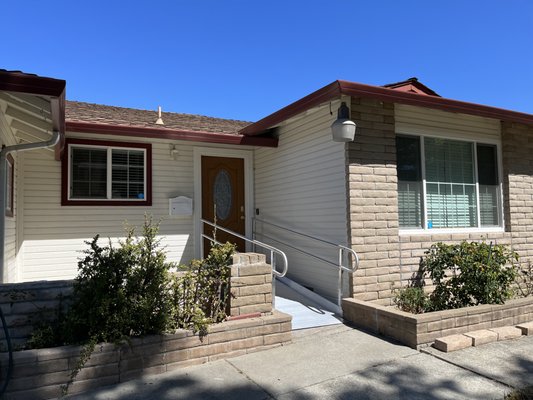
The Rose Garden Elderly Care is a small, home-like residential care home at 2993 Knights Bridge Rd in the Berryessa area of north San Jose. Its care information covers assisted living, memory care, and respite care. Families considering a short stay there should confirm current licensing, admission status, and pricing directly; none of the survey figures above is a rate for the home. Those who want to discuss routines and see the setting can plan a visit.
Across California, assisted living is licensed as a Residential Care Facility for the Elderly, or RCFE, by the Department of Social Services' Community Care Licensing Division. The state licensing division regulates these homes under Title 22 and publishes inspection information. RCFEs that advertise or accept residents with dementia must meet additional dementia-care requirements involving staff training, environment, and care planning. For any respite stay, families can ask for current licensing details and review available inspection reports rather than relying on appearance alone.
Preparing for a first short stay
Preparation works best when the home receives a concise picture of an ordinary day, not just a diagnosis. Before the first stay, offer written information and ask which assessment forms or records must be completed. Useful items include:
- Daily routine: usual waking and sleeping times, meals, bathing, dressing, toileting, mobility, transfers, and activities that make the day feel familiar.
- Health information: allergies, an accurate medication list, prescriber instructions, healthcare contacts, recent changes in needs, and emergency contacts.
- Communication and supervision: hearing or vision needs, preferred language, cues that help, wandering or confusion concerns, and situations that require prompt family contact.
- Personal belongings: labeled clothing, toiletries, mobility devices, and a familiar object, packed according to the home's guidance.
- Stay arrangements: arrival and pickup times, family update preferences, charges and deposits, included services, and cancellation or extension terms.
For a person living with dementia, include specific information about triggers, calming routines, food preferences, and how the person communicates discomfort. Ask how supervision and the environment will be managed during days and nights. Familiar information can help staff provide consistent support, but no family should be promised that respite will improve cognition or resolve behavioral symptoms.
Details to settle before confirming dates
Before confirming dates, make sure both sides can answer the same practical questions:
- Has the provider assessed current needs, and is the proposed setting appropriate for those needs?
- Who provides personal care and supervision, including overnight, and how are changes communicated?
- What supplies or records must arrive with the older adult, and what does the home provide?
- What would require a different care arrangement, an early pickup, or a change to the agreed dates?
Keep the written care information, agreement, and contact list together, and leave a copy with the responsible family member. A first short stay can show whether communication, routines, and the setting are workable without committing anyone to a permanent move. If needs exceed what a residential respite arrangement can support, the Eldercare Locator connects families with local aging services through the Area Agency on Aging network.
Frequently asked questions
What is respite care in San Jose, CA?
Respite care is temporary support that gives a family caregiver a break. In San Jose, it may be arranged in the older adult's home, through an adult day program, or as a short stay in a residential care setting. The right format depends on personal care needs, supervision, transportation, overnight coverage, and whether dementia support is needed. It does not require a commitment to permanent assisted living.
How much should families budget for respite care in San Jose?
CareScout's 2025 survey lists San Jose Area adult day health care at $94 per day and $2,037 per month. Non-medical in-home care is listed at $44 per hour, with an hourly-based monthly illustration of $3,813 at 20 hours per week. These are budgeting benchmarks, not short-stay quotes. Ask each provider for a written schedule of charges, minimum visits or stays, included services, deposits, and extra fees.
Does Medi-Cal's Assisted Living Waiver cover respite in Santa Clara County?
The waiver should not be treated as automatic respite coverage. It pays for assisted living services in participating residential care facilities for the elderly for eligible people with full-scope Medi-Cal, no share of cost, and nursing facility level of care needs; participants pay room and board. Santa Clara County has limited provider participation and often a waitlist. Ask a Care Coordination Agency whether respite is available and authorized in your specific situation.
Will Medicare pay for a short residential respite stay in San Jose?
A short stay should not be assumed to qualify. Medicare says it does not cover long-term custodial care if that is the only care needed, and most long-term care is custodial. Help with daily activities, supervision, meals, and room and board may fall outside coverage. Before booking in San Jose, ask the provider and payer to identify any specific covered service and confirm what the family must pay.
What should families prepare for a first respite stay in Berryessa?
Confirm admission availability, current licensing, pricing, arrival and pickup times, and what the stay includes. Provide a written daily routine, medication and allergy information, healthcare and emergency contacts, mobility and communication needs, and any dementia-related supervision concerns. Pack labeled clothing, toiletries, mobility equipment, and a familiar item according to the home's instructions. Also put deposits, cancellation terms, family updates, and arrangements for changing needs in writing.
Talk with The Rose Garden Elderly Care
If you are weighing care options in San Jose, call (669) 308-4198 or plan a visit. Our team can talk through current availability, rates and next steps. Please confirm all details directly, since published figures and listings change over time.
Sources
- CareScout Cost of Care Survey 2025
- Medicare: long-term care coverage
- Eldercare Locator (U.S. Administration for Community Living)
- National Institute on Aging: What is respite care?
- ACL: What is long-term care insurance
- California CDSS Community Care Licensing Division
- California DHCS: Assisted Living Waiver fact sheet (PDF)
Cost figures are 2025 medians from the CareScout Cost of Care Survey and are not quotes for The Rose Garden Elderly Care. Program rules and benefit amounts were checked on the linked official pages in November 2026 and can change.