Life & Meals at The Rose Garden
Dining, activities, companionship, housekeeping, and laundry — the ordinary rhythms that make residential care feel like a dependable day.
Meals, nutrition, and hydration
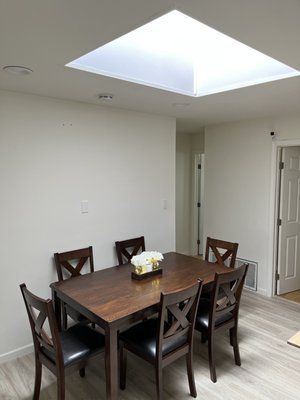
Meals are part of care, comfort, routine, and connection. Ask how meals are scheduled, how snacks and hydration are offered, whether menu preferences are accommodated, and how changes in intake are communicated.
Share foods the person enjoys, foods they avoid, texture needs, allergies, cultural traditions, and any clinician-ordered diet guidance. Confirm what is included in the current rate.
Activities, companionship, and purpose
Activities do not need to be elaborate to be meaningful. A good activity matches interests, abilities, energy, and mood.
- Music, singing, or listening to preferred artists
- Gentle movement, stretching, or walking when appropriate
- Arts, crafts, arranging flowers, or seasonal projects
- Word games, trivia, reading aloud, or storytelling
- Gardening, folding, sorting, or other purposeful tasks
- Visits, calls, and quiet sensory comfort
Participation should be invited, not forced.
Housekeeping, laundry, and home routines
Ask what cleaning is included, how often rooms and bathrooms are serviced, who manages linens and clothing, and how lost or damaged items are addressed.
Small routines matter: making a bed, arranging a favorite chair, keeping glasses in the same place. Consistency can reduce confusion and help a person feel oriented.